God knows
Nature is in charge

We were the Leopards, the Lions;those who’ll take our place will be little jackals, hyenas;and the whole lot of us, Leopards, jackals, and sheep,we’ll all go on thinking ourselves the salt of the earth.Giuseppe Di Lampedusa, The Leopard (1958)
We haven’t the faintest idea what this creek will be like in a hundred years.
Choose your power, God or Nature, if the distinction matters to you. Because the only true answer is “God/Nature knows.”
People don’t, and never will.
All living spaces are always changing – as the space of one’s own body is aging now. You’ll be measurably different five years from now.
So, the question is not whether Potomac Creek will change. It will. For many conservationists, the question is:
“How would leaving it alone affect the creek?”
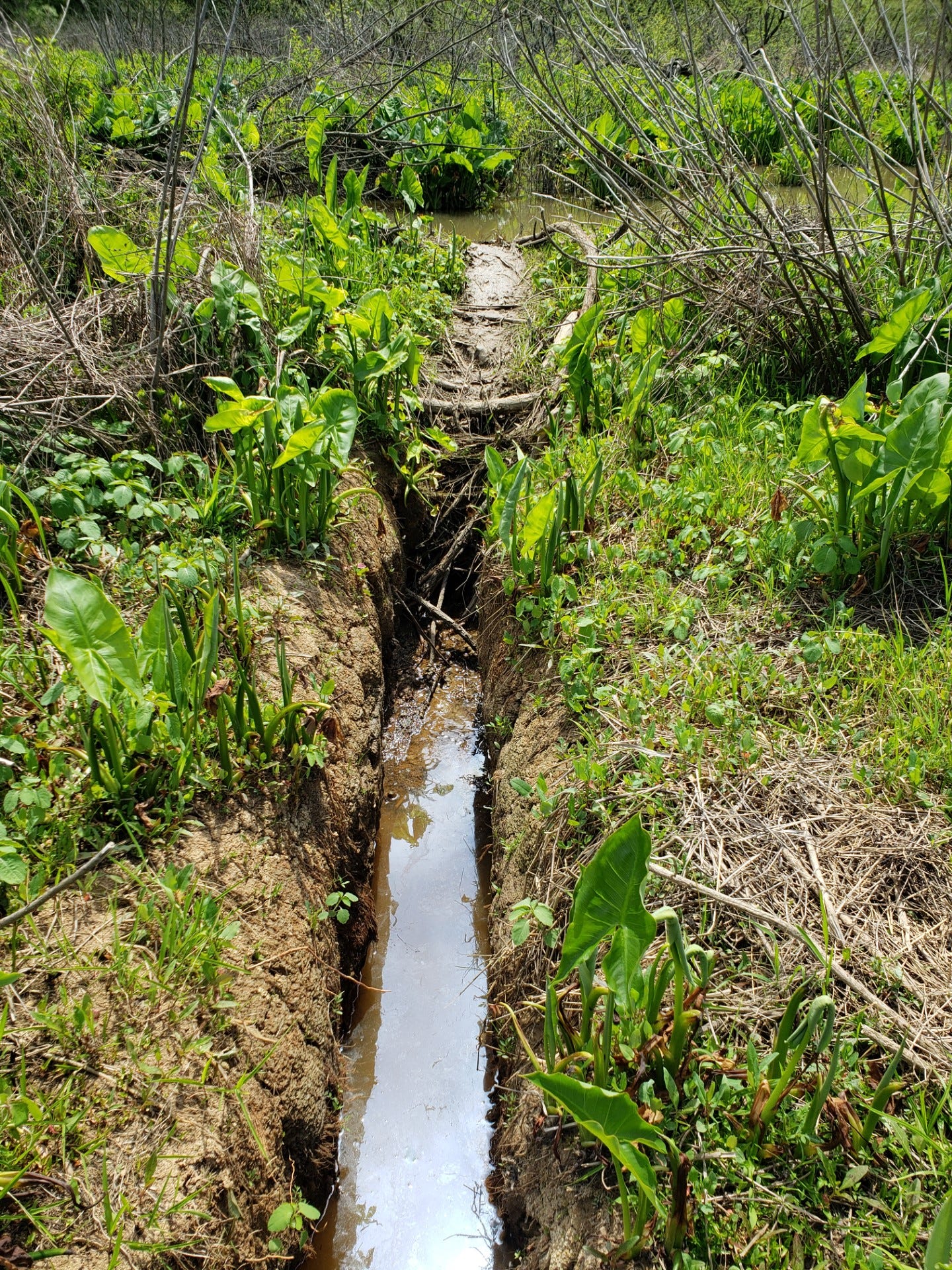
It’s an appealing thought, admittedly: leaving it alone. But it’s not really an option. The effects of past and current human “management” would endure nevertheless.
The damage is done.
Take the invasive species we “war” against now.
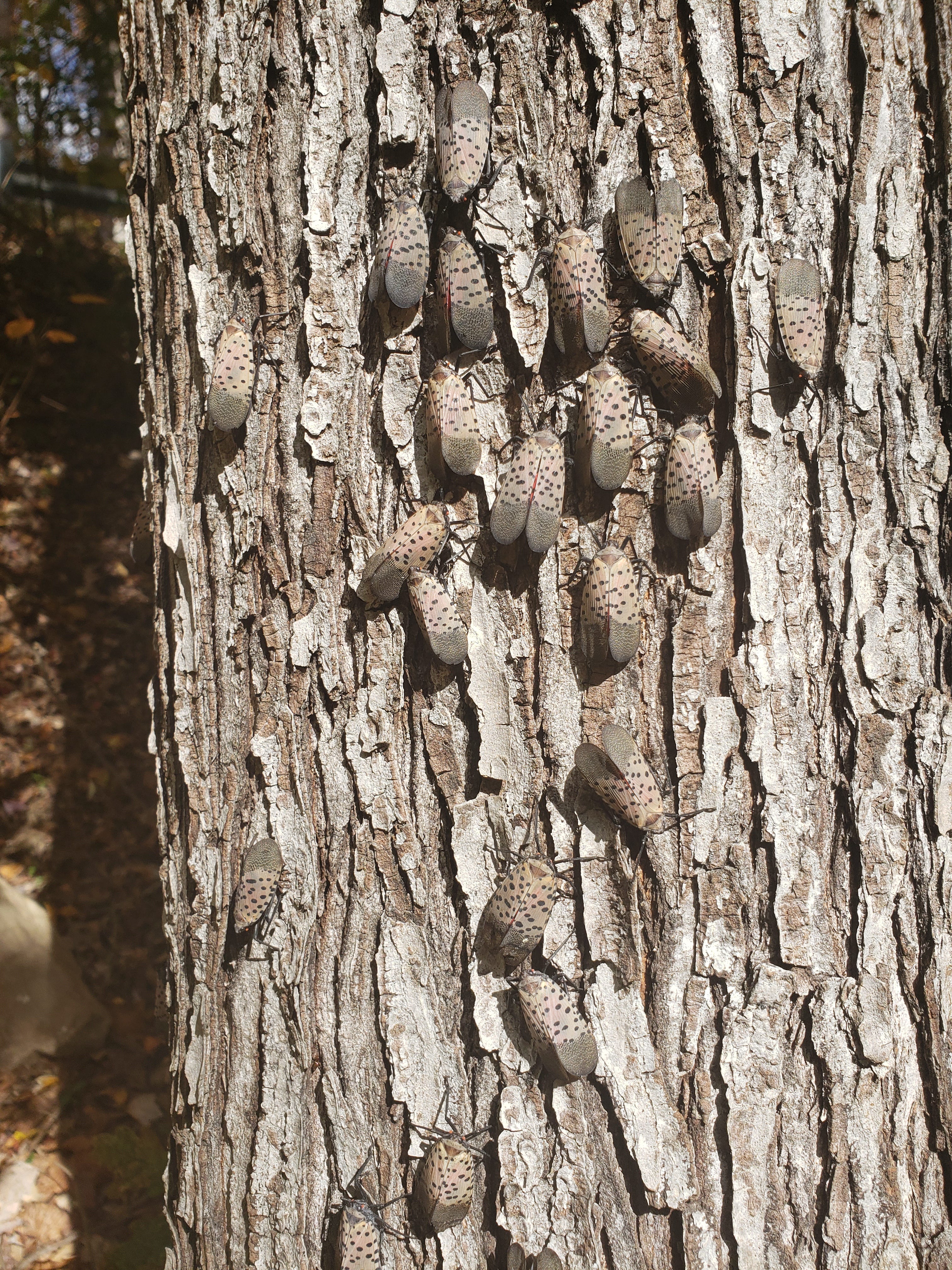
Japanese stiltgrass, spotted lanternflies, emerald ash borers (an imported Asian beetle that feeds on ash trees), and many more will continue to permanently transform the landscape. The creek’s numerous ash trees are already likely to be gone within a decade. In time, they will be replaced by other species shopping for a niche.
But consider this. Many of us have heard of the chestnut blight of the early twentieth century. Then, the fungus chryphonectria parasitica, newly arrived from Asia, destroyed in just three decades up to half the trees in eastern hardwood forests.
But fewer of us know that the honeysuckle we picked as children is also an invasive species, introduced on Long Island, New York in 1806.
And almost none of us is aware that the common earthworm, like those I use to catch human-introduced “sport” fish like the largemouth bass, is also an invasive.
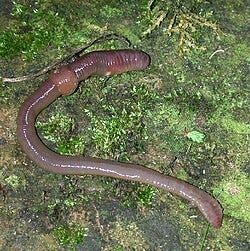
The worm story is fascinating. Glaciers of the Pleistocene Ice Age, which ended 10,000 years ago, killed off native earthworms in much of America. The ones we typically see starting just north of the creek arrived in the 1600s. Carried in the root balls and ship ballast of colonizing Europeans, they burrowed into the soft ground and made it home. Both worms and humans have permanently altered the landscape from the soil up. Check out this cool video on the history and consequences of earthworms in North America.
What does this mean — all this disorderly and erratic transportation of living beings?
It means we’ve never been in control of life on the land, air, or sea.
It means we’re surrounded by the living baggage we’ve brought along, knowingly or not.
And that nothing can go back to what it was, even if we try.
Some might respond that’s fine. With Aristotle, they may argue that nature abhors a vacuum (which is debatable), so we shouldn’t be too hard on ourselves for erasing some species and introducing others.
What’s far more obvious, though, is that if nature has a center, it ain’t us. Our methods are much too haphazard. Our efforts to manage life on Earth meet the definition of inept management: people micromanaging specific tasks — like squashing spotted lanternflies and pulling up stiltgrass — while failing to provide any strategic leadership. Just what are we trying to do here?
Who knows?
We can no more manage life on Potomac Creek than leave it untouched. Nature — the original big banger — is always in charge.